

Root Canal Therapy in Exton, PA: What Patients Should Know
Root canal therapy in Exton, Pennsylvania, is a proven way to treat deep tooth decay or infection while preserving your natural tooth. This page explains what a root canal is, how it works, and what you can expect before and after treatment so you can make an informed decision.
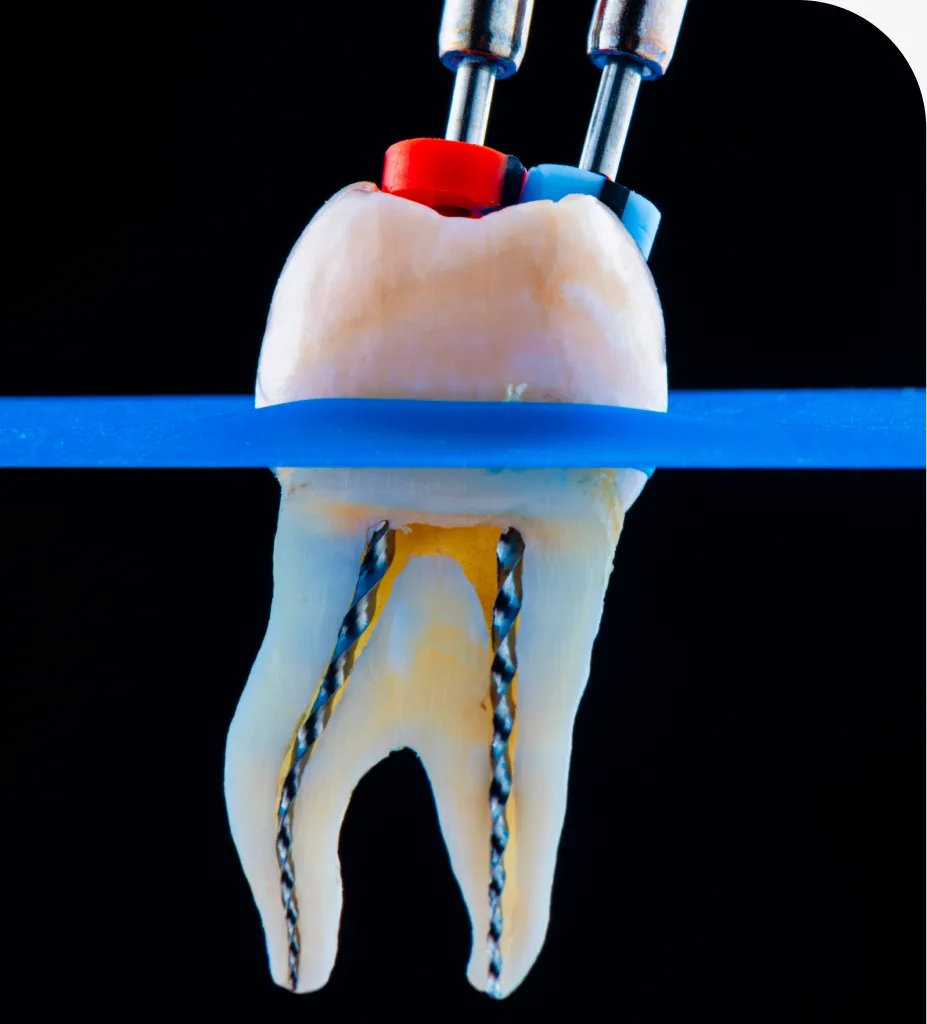
Root Canal Therapy Explained
A root canal is an endodontic treatment that removes inflamed or infected tissue from inside a tooth. The soft inner layer, called the pulp, contains nerves and blood vessels. When decay, a crack, or trauma reaches the pulp, bacteria can cause infection and pain. Root canal therapy cleans and disinfects the inside of the tooth, then seals it to prevent reinfection. A crown often completes the restoration for strength and function.
Signs You Might Need Treatment
- Lingering toothache, especially after hot or cold.
- Sharp pain when chewing or touching the tooth.
- Darkening or discoloration of the tooth.
- Swelling or a pimple-like bump on the gums.
- Tender, swollen gums near a specific tooth.
These symptoms can suggest nerve involvement and infection. Early evaluation helps protect the tooth and prevent the spread of bacteria.
Benefits of Root Canal Therapy
- Relieves dental pain and sensitivity by removing inflamed pulp.
- Stops infection and helps prevent serious oral and systemic issues.
- Saves the natural tooth, which supports jawbone health and function.
- Restores comfortable chewing and a normal bite.
- Maintains alignment by avoiding gaps that can shift teeth.
- Offers a high success rate when followed by a quality crown.
The Root Canal Therapy Process
Understanding how a root canal works can ease anxiety and help you prepare for your visit in Exton, Pennsylvania.
- Diagnosis and planning: A clinical exam and digital X-rays confirm the need for treatment and map the root canals.
- Numbing and comfort: Local anesthesia numbs the tooth. Comfort options can be discussed if dental anxiety is a concern.
- Isolation: A small dental dam keeps the tooth clean and dry.
- Access and cleaning: A tiny opening in the tooth allows removal of the inflamed pulp. The canals are shaped and cleaned with disinfecting solutions.
- Medication and sealing: The canals are filled with a biocompatible material and sealed to block bacteria.
- Temporary restoration: A temporary filling protects the tooth until a final crown is placed.
- Final crown: A custom crown restores strength, function, and appearance.
What to Expect Before and After Treatment
Most patients say a root canal feels similar to getting a filling because the area is well anesthetized. Pressure, not sharp pain, is typical during the procedure. Afterward, mild soreness or tenderness is common for a few days.
- Pain control: Over-the-counter pain relievers such as ibuprofen or acetaminophen usually manage discomfort. Follow the guidelines provided by our dentist and team.
- Eating: Choose soft foods and avoid chewing on the treated side until the final crown is placed.
- Oral hygiene: Brush and floss as usual, taking care around the temporary filling.
- Follow-up: Return for your crown. Completing the crown is essential to protect the tooth from fracture.
- Longevity: With proper care, a root canal tooth can function for many years.
In some cases of severe fracture or non-restorable decay, extraction may be considered. However, saving a natural tooth with root canal therapy often preserves chewing efficiency and can reduce the need for more complex tooth replacement.
Frequently Asked Questions About Root Canal Therapy
Ready for Root Canal Therapy : What Patients Should Know?
Our team provides expert root canal therapy : what patients should know with compassionate, personalized care.