

Dental Fillings in Exton, PA: A Patient’s Guide
Dental fillings in Exton, Pennsylvania, restore teeth affected by cavities and minor fractures so you can chew comfortably and protect your smile. This page explains what dental fillings are, how the procedure works, the types of materials available, and what patients can expect before and after treatment.
Dental Fillings Explained
A dental filling replaces decayed or damaged tooth structure with a durable material that seals the area and rebuilds shape. When bacteria create a cavity, the decay does not repair itself. A filling removes the weakened portion of the tooth and closes the space to prevent further breakdown. Common reasons to consider a filling include sensitivity to sweets or cold, food getting stuck in a specific spot, visible pits or dark areas, and a chipped edge that feels rough to the tongue.
There are several materials used for dental fillings, and the best choice depends on the size of the cavity, the location in your mouth, aesthetic goals, and budget. Below are options often discussed during the dental filling procedure.
Types of Filling Materials
- Tooth-colored composite for small to medium cavities and visible areas.
- Porcelain or ceramic inlays and onlays for larger defects with stain resistance.
- Gold for unmatched longevity when aesthetics are not the priority.
Composite resin is popular for its natural look and conservative preparation. Ceramics and gold are highly durable choices for specific cases.
Benefits of Dental Fillings
- Stops cavity progression and preserves tooth structure.
- Restores chewing comfort and natural tooth shape.
- Seals the tooth to reduce sensitivity and protect the nerve.
- Matches tooth color when using composite or porcelain.
- Supports long-term oral health with proper home care and checkups.
The Dental Filling Process
The dental filling procedure is straightforward and typically completed in one visit.
- Evaluation: Our dentist examines the tooth, often with X-rays, to measure the cavity’s depth and rule out more extensive treatment.
- Numbing: Local anesthetic keeps the area comfortable. Many patients feel only gentle pressure and vibration.
- Decay removal: The softened tooth structure is carefully removed while preserving healthy enamel and dentin.
- Tooth preparation: The area is cleaned and shaped to help the material bond and seal properly.
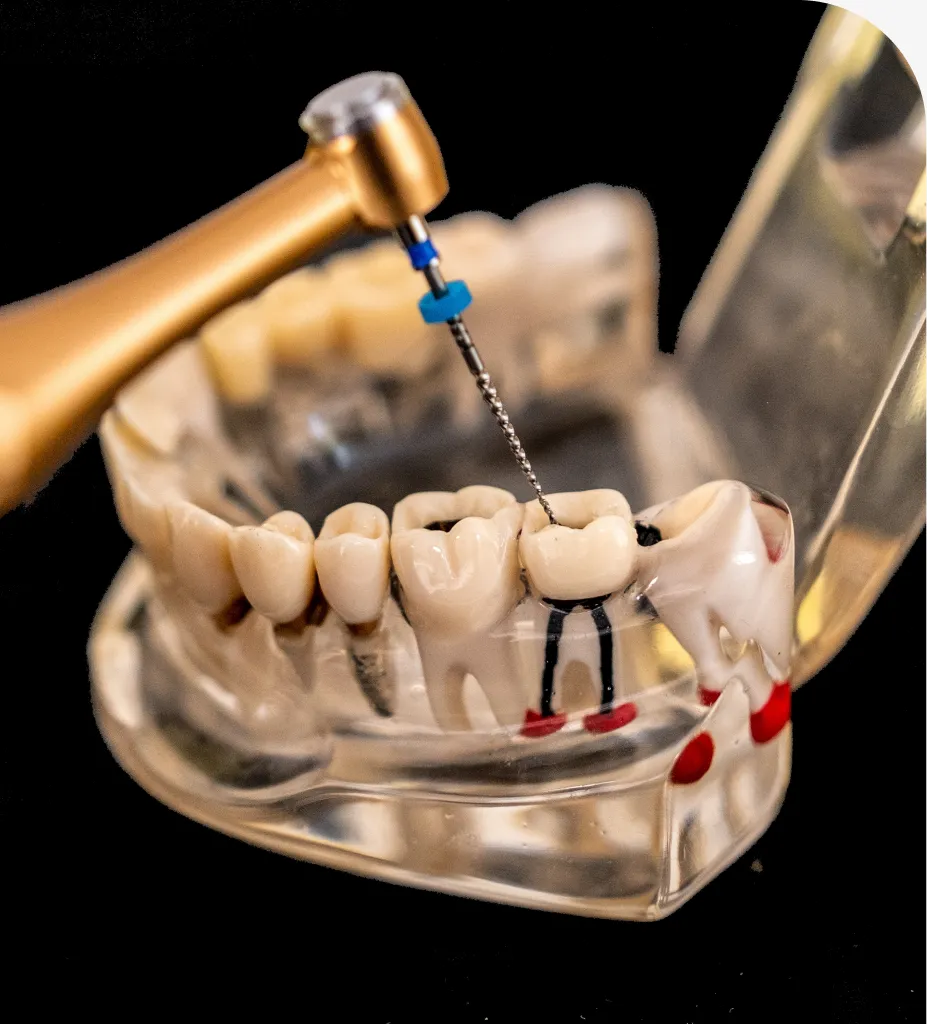
- Placement: Composite is applied in layers and cured with a light. Ceramic or gold is placed and contoured as indicated.
- Shaping and polish: The bite is checked, high spots are adjusted, and the surface is smoothed for comfort.
What to Expect Before and After a Filling
Before treatment, share any concerns about dental anxiety, teeth grinding, or sensitivity. This helps plan the right approach and choose the best material. After a filling, mild tenderness to cold or pressure is common for a few days. You can often eat once the numbness wears off. Avoiding very hard or sticky foods for the rest of the day is a common recommendation.
Good aftercare supports long-term success. Brush twice daily with fluoride toothpaste, clean between teeth, and schedule routine exams. If you clench or grind, a nightguard may help protect new and existing restorations. Most fillings last many years. Longevity depends on the material, the size of the filling, bite forces, and home care. If a filling feels high, cracks, or falls out, contact the office promptly to prevent further damage.
Understanding Your Options And Timing
Early treatment is simpler and more conservative than waiting until a cavity grows. Small fillings preserve more natural tooth and are often less costly. If a deep cavity approaches the nerve, a protective liner or a temporary filling may be placed while the tooth settles. When a tooth has large damage or multiple surfaces involved, a ceramic or gold inlay, onlay, or crown may be recommended instead of a standard filling.
Frequently Asked Questions About Dental Fillings
Schedule Your Dental Fillings : A Patient’s Guide Consultation
Our team is ready to help you with dental fillings : a patient’s guide. Contact us to learn more or book your visit.
Call 610-363-1304 Now