
Tooth Extractions in Exton, PA: A Patient Guide
Tooth extractions in Exton, Pennsylvania, are a common dental procedure designed to remove a tooth that is damaged, infected, crowded, or not restorable. At Comfort Dental Care, patients receive clear guidance from start to finish, including when extraction is recommended, how the procedure works, and what recovery looks like. This page explains the steps, benefits, and expectations so you can make informed decisions and feel prepared.
Tooth Extractions Explained
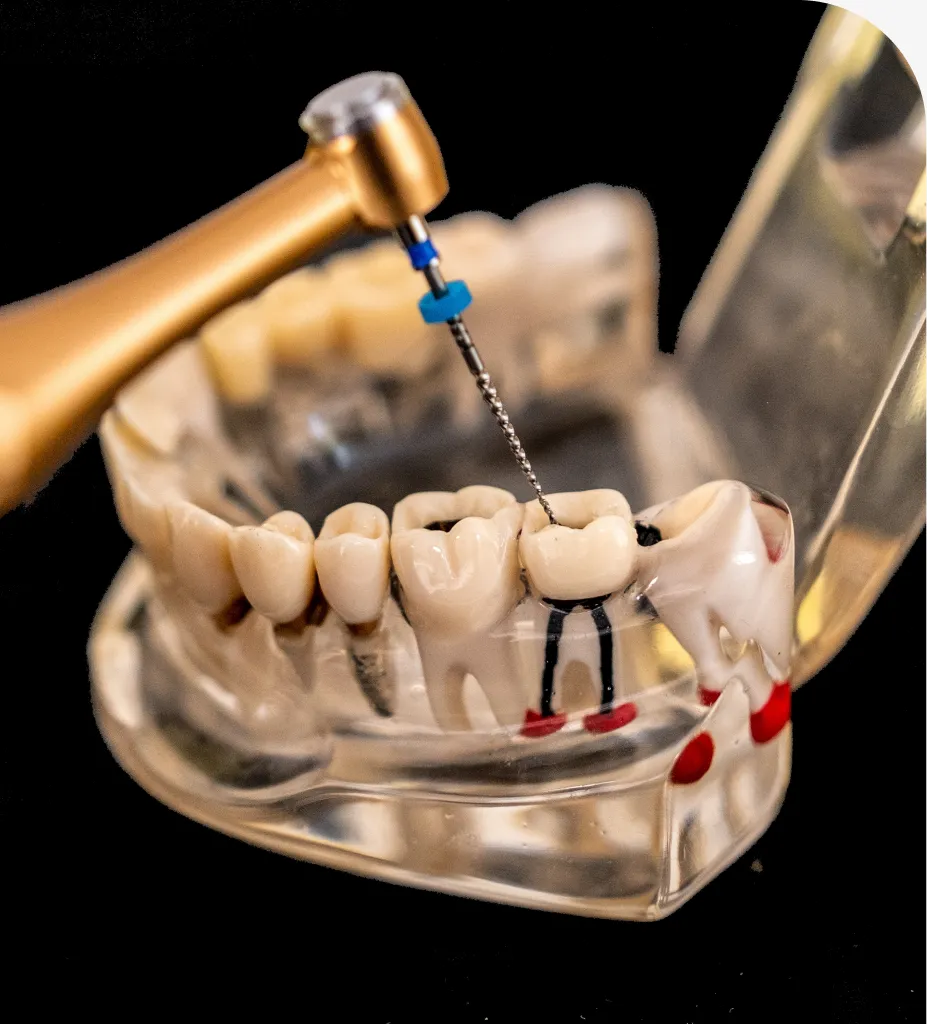
A tooth extraction is the removal of a tooth from its socket in the jawbone. There are two main types: simple extractions and surgical extractions. A simple extraction removes a tooth that is visible and loosened with specialized instruments. A surgical extraction is used when a tooth has broken at the gumline, is impacted, or requires access to bone. Wisdom tooth extraction is often surgical due to impaction or limited space.
Reasons an extraction may be recommended include severe decay, deep fractures, advanced gum disease, chronic infection, failed root canal therapy, or orthodontic crowding. When possible, saving a tooth is preferred, but removing a problematic tooth can protect neighboring teeth and overall health. Patients often search “what is tooth extraction,” “simple vs surgical extraction,” and “tooth extraction recovery time”—the sections below address these topics in plain language.
Benefits of Tooth Extraction
- Relieves persistent tooth pain and pressure from infection or fractures.
- Stops the spread of infection that can affect gums and nearby teeth.
- Protects adjacent teeth from damage, shifting, or new decay.
- Creates space for orthodontic treatment when crowding is present.
- Removes problematic wisdom teeth before they cause cysts or decay.
- Supports long-term oral health when a tooth cannot be predictably restored.
How Tooth Extractions Work
- Evaluation and imaging: A clinical exam by our dentist and digital X-rays determine the tooth’s position, root shape, and proximity to nerves and sinuses.
- Anesthesia and comfort options: The tooth and surrounding gum are numbed with local anesthesia. Sedation may be discussed based on your needs and the procedure type.
- Simple extraction: The tooth is gently loosened and lifted from the socket with controlled pressure.
- Surgical extraction: A small incision may be made in the gum. Bone reshaping or sectioning the tooth into pieces can allow safe removal.
- Site care: The area is cleaned, and stitches may be placed. Gauze is used to start clot formation, which is essential for healing after tooth removal.
- Post-operative guidance: Written instructions explain pain control, oral hygiene, diet, and activity limits.
What to Expect Before and After
Before your visit, share your medical history and medications, including blood thinners, with the dental team. Plan a light meal unless instructed otherwise, and arrange a ride if sedation is used. Most simple extractions take 20–40 minutes; surgical extractions may take longer, especially for impacted wisdom teeth.
After the procedure, bite on gauze for 30–45 minutes to support clotting. Expect mild swelling and soreness for a few days. Use cold compresses in 10–20 minute intervals for the first 24 hours and take recommended pain relievers as directed. Keep the area clean by brushing the other teeth as usual and gently rinsing with a warm saltwater solution after the first day.
Choose soft, cool foods such as yogurt, eggs, oatmeal, and smoothies without straws. Avoid smoking and using straws for at least 3 days to reduce the risk of dry socket. Most people return to normal routines within 1–3 days, though soft tissue healing can take 1–2 weeks and complete bone remodeling several months. Contact the office right away for fever, worsening pain after day three, heavy bleeding, or persistent bad taste or odor.
Frequently Asked Questions About Tooth Extractions
Schedule Your Tooth Extractions : A Patient Guide Consultation
Our team is ready to help you with tooth extractions : a patient guide. Contact us to learn more or book your visit.
Call 610-363-1304 Now