

Digital X-Rays in Exton, PA: A Patient’s Guide
Digital X-rays in Exton, Pennsylvania, provide clear images with efficient, low-dose technology to help monitor teeth, gums, and bone health. Digital files appear on screen within seconds, supporting accurate diagnosis and easier discussions about your oral health during routine and urgent visits.
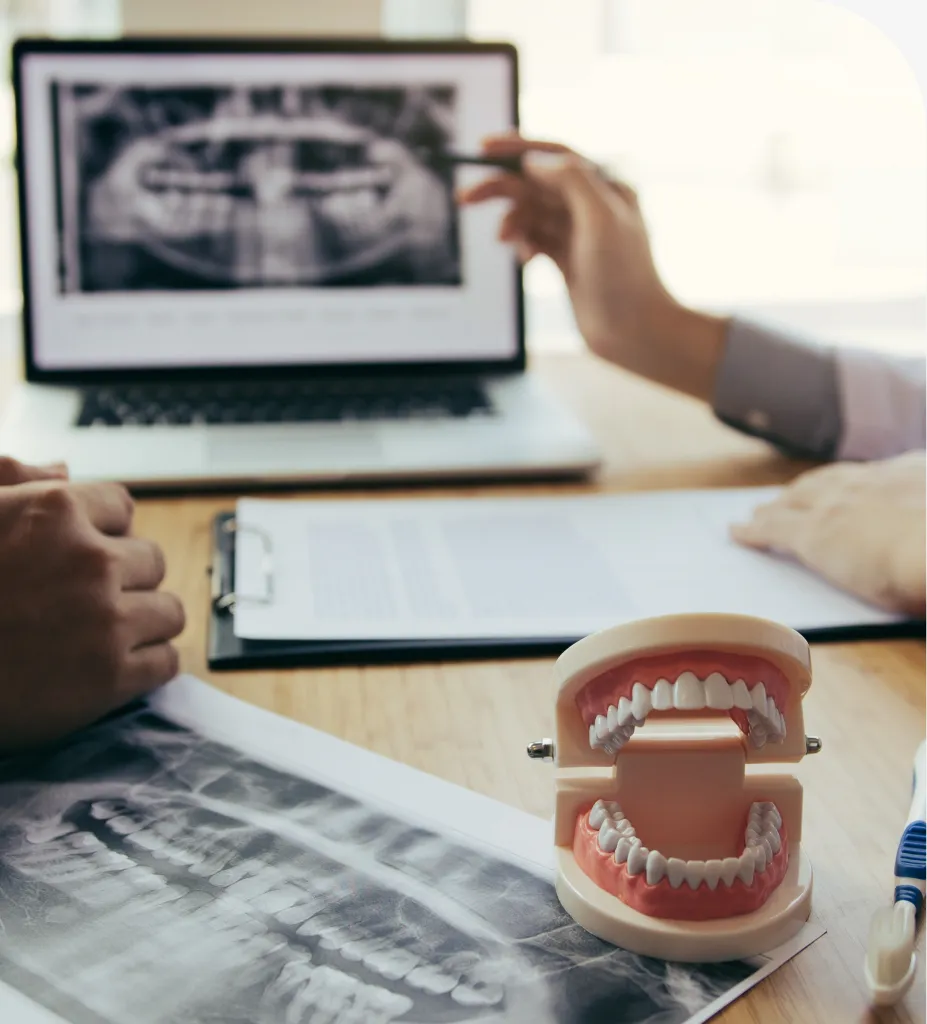
Digital X-Rays Explained
Digital X-rays, also called digital radiographs, use electronic sensors to capture images of your teeth and jaws. Unlike traditional film, the images are transmitted to a computer where they can be enlarged, sharpened, and measured. This clarity helps identify early cavities, gum disease changes, infections, and developmental concerns.
Different views answer different questions. Bitewing images show the spaces between back teeth and help reveal hidden decay. Periapical images focus on a single tooth from crown to root to evaluate pain, cracks, or abscesses. Panoramic images capture the entire mouth to assess wisdom teeth, jaw joints, and overall anatomy. Some cases may call for 3D cone-beam scans, though many everyday needs are met with standard digital X-rays.
Benefits of Digital X-Rays
- Lower radiation dose compared with traditional film imaging.
- Fast results that appear on screen in seconds.
- High-detail images that can be enlarged for precise evaluation.
- Better monitoring of changes over time with secure digital storage.
- Eco-friendly process without chemical film development.
- Improved patient education with on-screen visuals and explanations.
How Digital X-Rays Work
The process is designed for comfort, accuracy, and safety. If you have wondered “How do digital X-rays work?” here is a simple overview:
- A sensor or thin plate is positioned gently in your mouth.
- A small device directs a focused beam toward the sensor for a fraction of a second.
- The image appears on the computer almost immediately for review.
- Our dentist may adjust contrast or zoom to examine fine details.
- Any necessary retakes are limited and use the lowest reasonable exposure.
Dental teams follow the ALARA principle—As Low As Reasonably Achievable—to minimize dose. A lead apron and, when appropriate, a thyroid collar add an extra layer of protection.
What to Expect
Most appointments include bitewing images once a year for cavity screening, with timing tailored to your risk factors. Additional views may be recommended if you have new symptoms, a history of decay, or are starting treatment such as implants or root canal therapy. Children often need X-rays more frequently to track growth and detect cavities between newly erupting teeth.
Digital X-rays do not hurt, though you may feel light pressure from the sensor. The exposure is brief. Let the team know if you have a strong gag reflex or a small mouth; positioning can be adjusted and breaks can be offered. If you are or may be pregnant, routine X-rays are usually postponed unless urgent care is needed. When imaging is essential, shielding and targeted techniques help protect you and your baby.
Patients often ask about dental X-ray safety and how often X-rays are needed. Frequency depends on your current oral health, cavity risk, and history. The goal is to balance early detection with thoughtful, minimal exposure.
Frequently Asked Questions About Digital X-Rays
Ready for Digital X-Rays : A Patient’s Guide?
Our team provides expert digital x-rays : a patient’s guide with compassionate, personalized care.