

Maxillofacial Surgery in Exton, PA: Patient-Centered Guide
Maxillofacial surgery in Exton, Pennsylvania, covers surgical care for the jaws, face, and mouth. At Comfort Dental Care, patients receive clear explanations, careful planning, and step-by-step guidance from consultation to recovery. This page outlines common procedures, benefits, how surgery works, and what to expect before and after treatment.
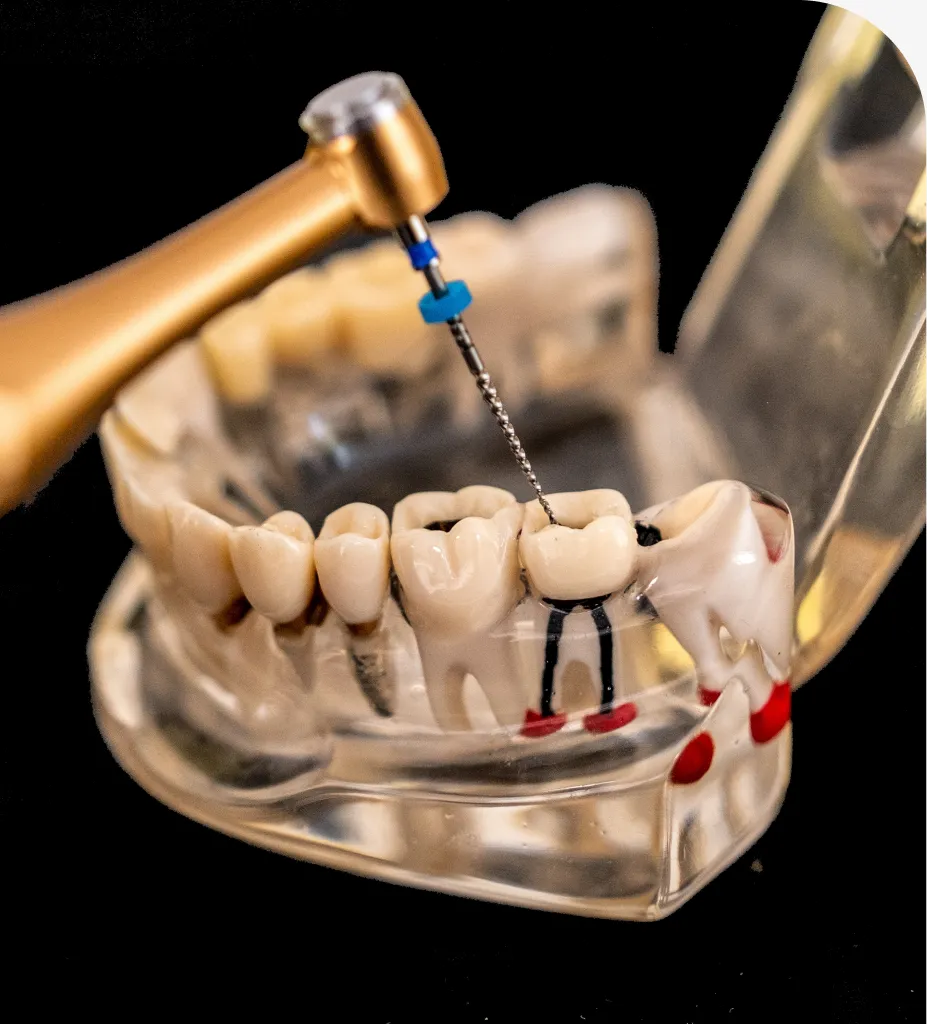
Maxillofacial Surgery Explained
Maxillofacial surgery, often called oral and maxillofacial surgery, addresses conditions involving the teeth, jaws, facial bones, and soft tissues. It ranges from routine tooth extractions to complex jaw surgery. Many patients search for what is maxillofacial surgery when facing issues like impacted wisdom teeth, jaw pain, or facial injuries.
Conditions often treated include:
- Impacted or infected teeth, including wisdom teeth.
- Jaw alignment problems requiring orthognathic surgery.
- Temporomandibular joint disorders with structural causes.
- Facial injuries, fractures, and lacerations.
- Preparation for implants, including bone grafting and sinus lifts.
- Oral pathology such as cysts, benign lesions, or suspicious areas requiring biopsy.
Understanding how maxillofacial surgery works helps reduce stress and supports a smooth recovery. Patients often ask about anesthesia for oral surgery, expected downtime, and when to see an oral surgeon versus our dentist.
Benefits of Maxillofacial Surgery
Surgery is recommended when it meaningfully improves function, health, or comfort. Key benefits include:
- Pain relief by removing diseased tissue or correcting structural problems.
- Improved chewing, speaking, and jaw function after alignment procedures.
- Protection of nearby teeth and nerves by removing impacted or infected teeth.
- Enhanced foundation for implants through grafting when bone is thin or missing.
- Restoration of facial symmetry and stability after injury.
- Support for airway or bite improvement through corrective jaw surgery.
How Maxillofacial Surgery Works
The process begins with a comprehensive evaluation. This often includes a clinical exam, digital X‑rays, and three-dimensional imaging when needed. The goal is to confirm the diagnosis, identify risks, and plan the safest approach. How does jaw surgery work is a common question; the answer depends on your condition, but careful planning and imaging guide each step.
Anesthesia options are reviewed in detail. Choices may include local anesthesia, oral sedation, IV sedation, or general anesthesia, depending on procedure complexity, health history, and patient preference. A personalized plan balances comfort and safety.
On the day of surgery, sterile technique, precise incisions, and careful tissue management support predictable healing. Dissolvable sutures are commonly used. Most outpatient procedures take one to two hours, though complex cases may require hospital coordination and an overnight stay.
What to Expect Before and After Surgery
Preparation enhances outcomes. You may be asked to adjust certain medications, avoid smoking, and fast if sedation is planned. Clear pre‑operative instructions reduce risks and make the day smoother.
After surgery, mild to moderate swelling and soreness are typical for two to three days, peaking around day two. Cold compresses, head elevation, and prescribed or over‑the‑counter pain control help. A soft, cool diet is recommended initially, with gradual return to normal foods as comfort improves. Most patients resume light activity within a few days, while recovery after wisdom tooth removal or bone grafting may take one to two weeks. Corrective jaw surgery often requires several weeks of modified eating and activity.
All surgery carries some risk. Possible complications include bleeding, infection, dry socket, sinus involvement for upper back teeth, and temporary or permanent nerve changes. Call promptly if you experience increasing pain after day three, fever, uncontrolled bleeding, or worsening swelling, as these signs may require attention.
Follow-up visits check healing, remove any non-dissolving sutures if present, and review next steps such as implant placement or orthodontic coordination. Understanding the risks of maxillofacial surgery and the benefits of oral surgery helps you make informed choices.
Frequently Asked Questions About Maxillofacial Surgery
Ready for Maxillofacial Surgery : Patient-Centered Guide?
Our team provides expert maxillofacial surgery : patient-centered guide with compassionate, personalized care.