

Teeth Whitening in Exton, PA: A Patient Guide
Teeth whitening in Exton, Pennsylvania, can safely brighten a dull or stained smile when planned and supervised in a dental setting. At Comfort Dental Care, patients receive clear information on methods, benefits, and realistic results, along with tips to make improvements last.
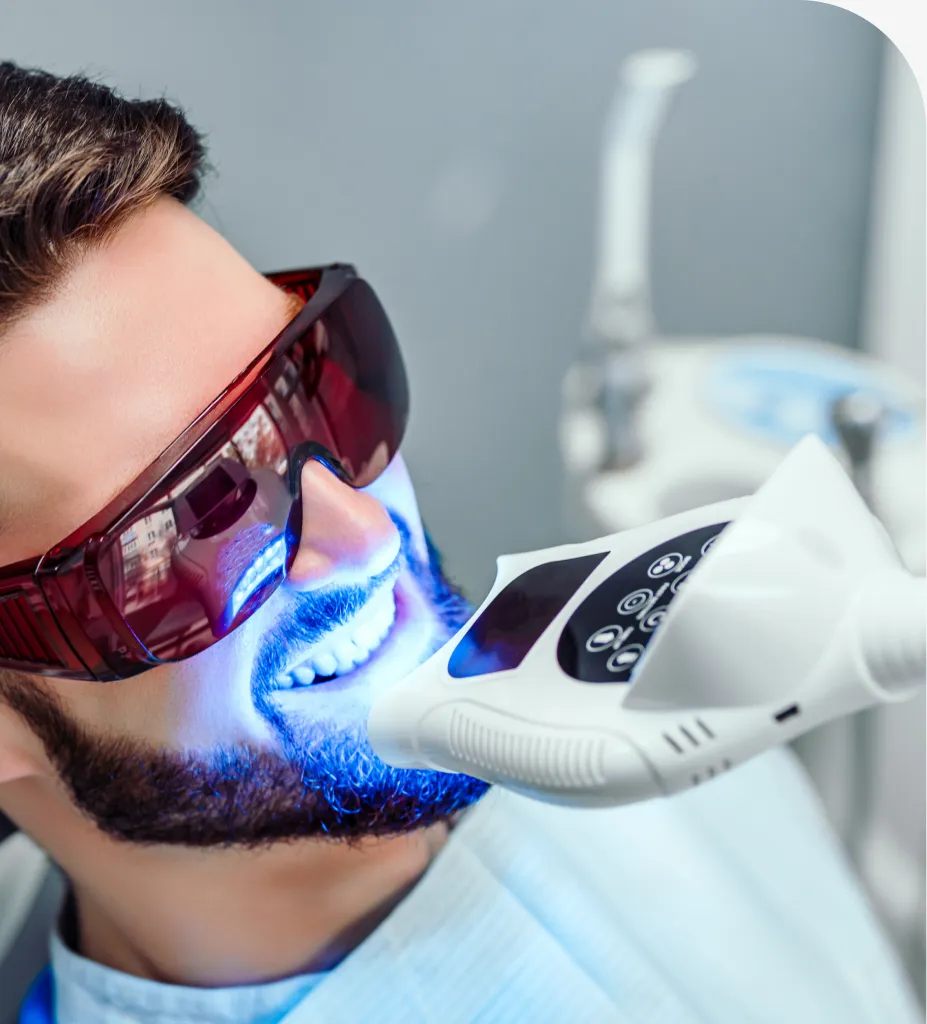
Teeth Whitening Explained
Professional teeth whitening uses peroxide-based gels to lift stain molecules within tooth enamel. These stains may be extrinsic (from coffee, tea, wine, or tobacco) or intrinsic (deeper discoloration from medications, aging, or trauma). In-office whitening uses higher-strength gels for rapid shade change, while custom take-home trays use lower strengths applied over several days or weeks for gradual lightening. Store-bought strips and trays can help some patients but often fit less precisely and may not address uneven staining or sensitivity concerns.
How does teeth whitening work? The gel breaks down into oxygen molecules that penetrate enamel and target discolored compounds. When guided by a dentist, concentrations, application time, and desensitizing strategies are tailored to your needs. This approach improves comfort and helps achieve an even outcome. If you are wondering what is teeth whitening best suited for, it is most effective for yellow to light brown staining; gray or blue tones can be more resistant.
Benefits of Professional Teeth Whitening
- Predictable shade improvement guided by our dentist and shade measurements.
- Faster results with in-office treatment for time-sensitive events.
- Custom strength selection to reduce teeth whitening sensitivity risks.
- Even coverage from custom trays that fit your unique smile.
- Safety screening to address cavities or gum issues before treatment.
- Personalized home care advice to maintain results longer.
How Teeth Whitening Works
Most patients choose between in-office whitening and custom take-home trays. Both use professional gels and can be combined for longer-lasting brightness.
- Evaluation and planning: Our dentist reviews your goals, checks for decay or gum disease, and records a baseline shade.
- In-office whitening: Gums are protected, gel is applied in short sessions, and shade is rechecked. Many patients see several shades of improvement in one visit.
- Custom take-home trays: Trays are made from impressions or scans. You place a small amount of gel in the trays and wear them as directed for steady, controlled whitening.
- Refinement: Follow-up checks guide touch-ups, gel strength adjustments, and sensitivity care as needed.
What to Expect Before and After Whitening
Before treatment, expect a dental exam and cleaning to remove surface plaque and tartar. This improves contact between gel and enamel. Photos and shade guides help track your progress. Whitening does not change the color of crowns, fillings, or veneers; plan any new restorations after you reach your desired tooth shade for a better match.
It is normal to feel temporary tooth sensitivity or mild gum irritation, which usually subsides within 24–48 hours. Desensitizing toothpaste, shorter wear times, or lower-strength gel often help. For the first 48 hours after whitening, avoid strong stains such as coffee, red wine, dark berries, and tobacco. How long does teeth whitening last? With good home care and smart dietary choices, results can last 6–24 months. Occasional touch-ups with custom trays help maintain brightness over time. In-office vs take-home whitening both work well; the best choice depends on your timeline, sensitivity history, and shade goals.
Frequently Asked Questions About Teeth Whitening
Ready for Teeth Whitening : A Patient Guide?
Our team provides expert teeth whitening : a patient guide with compassionate, personalized care.