

Dental Crowns in Exton, PA: A Practical Guide
Dental crowns in Exton, Pennsylvania, are custom restorations that cover and protect a damaged or weakened tooth. At Comfort Dental Care, this treatment helps restore strength, function, and appearance after decay, fracture, or a root canal. The overview below explains when crowns are recommended, the types available, how the procedure works, and how to care for a new crown.
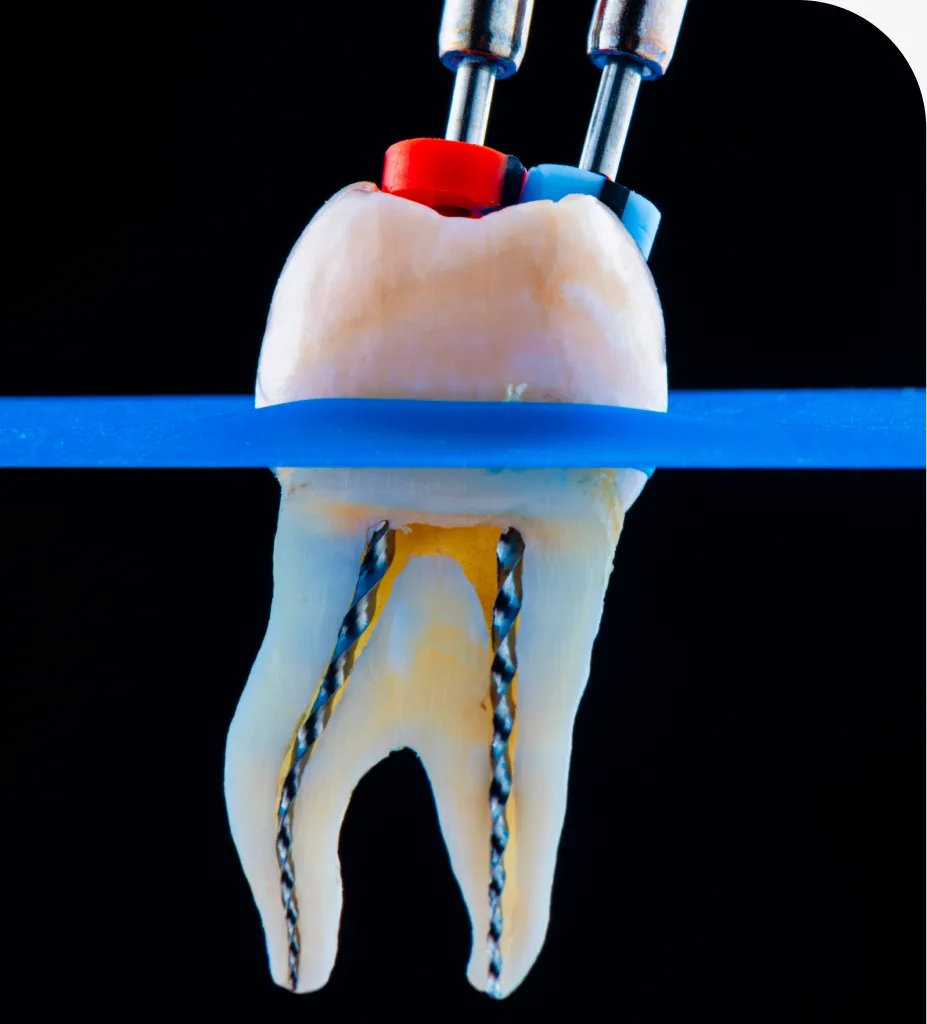
Dental Crowns Explained
A dental crown is a tooth-shaped “cap” that fits over the visible portion of a tooth. It restores the tooth’s shape, size, and strength while improving the look of your smile. Crowns are commonly placed for teeth with large fillings, cracked or worn teeth, teeth treated with root canal therapy, and as the visible part of a dental implant. They can also anchor a dental bridge.
Materials are selected based on the tooth’s location, bite forces, and esthetic goals:
- All-ceramic or porcelain offers natural appearance for front teeth.
- Zirconia provides high strength with tooth-colored esthetics.
- Porcelain-fused-to-metal balances strength and appearance.
- Metal alloys deliver excellent durability for back teeth.
Choosing between options such as porcelain versus zirconia depends on factors like visibility in your smile, grinding or clenching, and any metal sensitivities. Our dentist will discuss which type of dental crown best fits your needs.
Benefits of Dental Crowns
- Protects a weakened tooth from further fracture or wear.
- Restores comfortable chewing and normal bite alignment.
- Improves the appearance of stained, misshapen, or worn teeth.
- Covers and seals a tooth after root canal treatment.
- Offers long-term durability with proper home care and checkups.
How Dental Crowns Work
The dental crown procedure is straightforward and typically completed over two visits:
- Evaluation and planning include an exam, X-rays as needed, and discussion of material choices.
- Tooth preparation shapes the tooth and removes weakened structure under local anesthesia.
- Impressions or a digital scan capture precise details for a custom fit.
- Shade selection ensures a natural match with nearby teeth.
- A temporary crown protects the tooth while the lab fabricates the final crown.
- Final placement involves trying in the new crown, adjusting the bite, and cementing it securely.
Some cases may involve a core build-up to support the crown or a post for teeth that have had root canal therapy.
What to Expect
After tooth preparation, it is normal to feel mild, short-term sensitivity, especially to temperature. A temporary crown requires some care: avoid sticky or very hard foods on that side and brush gently around the margin. If the temporary crown comes off, contact the office so it can be recemented.
Once the final crown is placed, most patients adjust quickly. Good daily care helps crowns last, including brushing with a fluoride toothpaste, cleaning between teeth with floss or interdental cleaners, and regular preventive visits. Many crowns last 10 to 15 years or longer, depending on factors such as bite forces, grinding, and home care habits.
Dental crowns in Exton, PA, can be part of a broader plan that may include fillings, a root canal, or a dental implant. Clear guidance on types of dental crowns, the step-by-step process, and temporary crown care can help you feel confident about your treatment path.
Frequently Asked Questions About Dental Crowns
Ready for Dental Crowns : A Practical Guide?
Our team provides expert dental crowns : a practical guide with compassionate, personalized care.